


The 10 Everyday Indian Herbs & Spices That Quietly Heal Your Body
- Dr Pooja Sharma
- May 30
- 12 min read
Updated: Jul 15
An Expert’s Guide to Sustainable Health Through Your Kitchen

Your Kitchen Is More Powerful Than Your Medicine Cabinet
If you often seek health in expensive supplements, imported superfoods, detox drinks, or short-term diet trends, this blog might offer valuable insights. You may be surprised to learn that the biggest nutritional truth is often overlooked. Your own kitchen may already contain some of the most powerful healing ingredients in the world. For centuries, Indian kitchens have naturally included herbs and spices that support digestion, immunity, metabolism, hormonal balance, gut health, inflammation control, and even emotional well-being. Long before the wellness industry began packaging “superfoods,” Indian households were cooking daily with turmeric, cumin, ginger, fennel, coriander, cinnamon, tulsi, and black pepper.
So where did it all go wrong?
Well, there are two sides to every story. The ingredients are still there, but some are often adulterated, reducing their potency. Others have become mere “taste enhancers” instead of being recognized as functional nutrition. In some cases, you might consume these ingredients, but in combinations that rarely lead to health benefits.
How does this happen? Many components of modern life involve highly processed meals, dependency on outside food, and adherence to foreign nutritional trends. We often forget that India became unhealthy not due to the Indian diet, but by incorporating highly processed foods that were never part of our native ecosystem. This shift has resulted in poor digestion, low energy, bloating, stubborn weight gain, inflammation, hormonal imbalance, and fluctuating immunity.
What can we do?
I understand that letting go of modern lifestyle habits is not an option. We must find a balance and recognize what works for us and what doesn’t. We need to find synergy in using ancient wisdom in modern ways. Let’s allow advancements in our lifestyle to work in our favor and achieve the best results. A sustainable health transformation rarely begins with extreme dieting.
It usually starts with rebuilding daily habits, particularly the foods and spices we consistently use at home. This is why experienced dietitians and nutritionists focus not only on calories but also on food quality, digestive health, meal timing, cooking methods, nutrient diversity, and realistic lifestyle changes.
A personalized homemade diet and lifestyle plan can create long-term results that restrictive fad diets cannot sustain.
In this blog, we’ll explore 10 powerful herbs and spices that deserve a permanent place in your kitchen and how they can support sustainable wellness naturally.
1. Turmeric: The Golden Anti-Inflammatory Hero
Why Turmeric Matters
Turmeric is one of the most extensively researched spices in the world, primarily because of its active compound, curcumin. Curcumin is known for its powerful anti-inflammatory and antioxidant properties, which may help support several important aspects of health, including joint function, immunity, digestion, skin health, liver function, metabolic balance, and recovery from chronic inflammation.
People in sedentary jobs or with long daily commutes often experience low-grade inflammation without realizing it. Factors such as chronic stress, processed foods, poor sleep quality, sedentary routines, and excessive sugar consumption can all contribute to inflammation within the body over time. This is one reason turmeric continues to hold such importance in traditional Indian cooking and wellness practices. When used consistently as part of daily meals, turmeric can become a simple yet effective way to support long-term health naturally.

Best Ways to Use Turmeric
Add it to dal, sabzi, khichdi, soups, and curries.
Combine it with black pepper for better absorption.
Use it in turmeric milk at night.
Add small amounts to vegetable sautéing.
Common Mistake
Many people use turmeric only occasionally and expect instant results. In reality, herbs and spices support health best when they are used consistently as part of everyday meals, not just during short-term “detox” phases or wellness trends.
Another important factor is quality. The benefits of turmeric depend heavily on its purity and authenticity. Adulterated or low-quality spices may not provide the same nutritional value and can sometimes contain unwanted additives or artificial coloring.
Whenever possible, choose trusted and authentic spice sources. Buy from reliable local suppliers or reputed brands, and store spices properly to preserve freshness and potency.
You can also make turmeric powder at home by:
Drying fresh turmeric roots.
Grinding them in small batches.
Storing them in airtight containers.
Homemade spice powders are often fresher, more aromatic, and less processed. However, if preparing them at home is not practical, simply ensuring that your spices come from a reliable source can make a meaningful difference in the quality of your daily nutrition.
2. Cumin (Jeera): The Digestive Powerhouse
Why Cumin Deserves Daily Use
Cumin is deeply connected to digestive health. For anyone experiencing bloating, acidity, sluggish digestion, heaviness after meals, or irregular appetite, cumin may help stimulate digestive enzymes and improve digestive comfort naturally. Poor digestion can affect nutrient absorption, metabolism, energy levels, and even skin health. Regular use of cumin helps in reducing these symptoms.

Benefits of Cumin
Supports digestion.
Helps reduce bloating.
May support metabolism.
Rich in antioxidants.
Supports iron intake.
Easy Ways to Include It
Jeera water in the morning.
Roasted cumin powder in buttermilk.
Tempering for dal and vegetables.
Homemade digestive spice mixes.
Sustainable Health Insight
Many weight-loss struggles are not only about overeating. Poor digestion, irregular eating patterns, and low-quality nutrition also contribute significantly. A professional dietitian often works on improving digestion first before aggressively restricting calories.
3. Ginger: Nature’s Digestive & Immunity Booster
Why Ginger Is More Than a Cold Remedy
Most people associate ginger only with cold and cough relief, but ginger is far more versatile. It may support digestion, nausea relief, circulation, inflammation control, immunity, and gut comfort. Ginger is especially valuable for people experiencing sluggish digestion, overeating, heavy meals, menstrual discomfort, or frequent bloating.

Practical Uses
Ginger tea.
Fresh ginger in cooking.
Ginger-lemon warm water.
Homemade kadha during seasonal changes.
Important Reminder
No herb works like magic in isolation. Health improves when sleep, stress management, hydration, physical activity, and balanced meals work together consistently. This is why personalized lifestyle guidance matters more than temporary diet hacks.
4. Cinnamon: The Blood Sugar Friendly Spice
Cinnamon has gained attention because it may help support healthy blood sugar regulation when combined with balanced eating habits. Blood sugar fluctuations can contribute to cravings, fatigue, overeating, irritability, and poor energy balance. This is especially relevant today because highly processed foods and sugary beverages have become extremely common.

Ways to Use Cinnamon
Add to herbal tea.
Use in oats or porridges.
Add to healthy desserts.
Include in spice blends.
Common Nutrition Mistake
Many people consume “healthy” foods but ignore portion balance and meal structure. Even nutritious foods can become problematic when meal timing is inconsistent, protein intake is low, sleep is poor, or stress eating becomes frequent. A sustainable diet plan focuses on realistic balance instead of extreme restriction.
5. Black Pepper: The Nutrient Absorption Booster
Black pepper is one of the most commonly used spices in Indian cooking, yet it is often overlooked when people talk about “healthy foods.” This small ingredient does far more than simply add heat or flavor to meals. Black pepper contains a natural compound called piperine, which is especially valued because it may help improve the absorption of certain nutrients and beneficial compounds, most notably curcumin from turmeric.
This combination is one of the reasons traditional Indian cooking has so much nutritional wisdom built into it. Turmeric and black pepper are often used together naturally in dals, curries, sabzis, soups, and traditional remedies. Long before nutrient bioavailability became a modern nutrition topic, traditional food practices were already combining ingredients in ways that supported better utilization within the body. Beyond absorption support, black pepper may also help stimulate digestion, support metabolism, and enhance the flavor of meals naturally. This is especially useful for people trying to reduce excessive salt, packaged seasonings, or processed flavor enhancers in their diet. Sometimes, simple spices can make homemade meals far more satisfying without needing unhealthy additions.

Why This Matters in Modern Urban Diets
One of the biggest health paradoxes today is that many people are eating enough or even too much food yet remain nutritionally imbalanced. Modern diets are often high in calories but low in nutrient diversity and digestive support. Frequent consumption of ultra-processed foods, rushed eating habits, irregular meal timings, stress, poor sleep, and low-quality ingredients can all affect not only what we eat but also how effectively the body absorbs and utilizes nutrients.
This is why sustainable nutrition focuses on more than calorie counting alone. It emphasizes whole and minimally processed foods, balanced digestion, homemade meals, nutrient diversity, and traditional cooking practices that support the body naturally over time. Sometimes, improving health does not require complicated superfoods or expensive supplements. It begins with understanding how everyday kitchen ingredients work together.
Easy Ways to Include Black Pepper in Your Daily Diet
Add freshly crushed black pepper to soups, salads, and vegetable dishes.
Combine black pepper with turmeric in curries, dals, and golden milk.
Sprinkle black pepper over eggs, buttermilk, or roasted vegetables.
Use freshly ground pepper instead of relying heavily on packaged sauces or seasonings.
Add a pinch of black pepper to herbal teas or warm lemon water occasionally.
Include it in homemade spice blends and marinades for deeper flavor.
Like most traditional spices, black pepper works best when used regularly in balanced homemade meals rather than consumed occasionally as part of short-term health trends.
6. Tulsi (Holy Basil): The Stress Support Herb
Modern health issues are not caused by food alone. Stress plays a massive role in digestion, hormones, emotional eating, sleep quality, and energy regulation. Tulsi has traditionally been valued for its calming and restorative properties.

Potential Benefits include stress management, respiratory health support, immunity boost, and soothing effects during seasonal changes.
No successful diet plan works if stress levels remain uncontrolled. People often emotionally overeat, skip meals, binge late at night, or depend on caffeine excessively when stress is unmanaged. A good dietitian looks beyond calories and understands lifestyle patterns holistically.
7. Coriander: The Cooling Digestive Spice
Why Coriander Is More Important Than People Realize
Coriander seeds and leaves are widely used in Indian cuisine, but many people overlook their nutritional significance. Coriander may help support digestion, hydration balance, freshness in meals, and micronutrient diversity. Fresh herbs also improve meal quality naturally without relying heavily on packaged sauces and processed flavor enhancers.
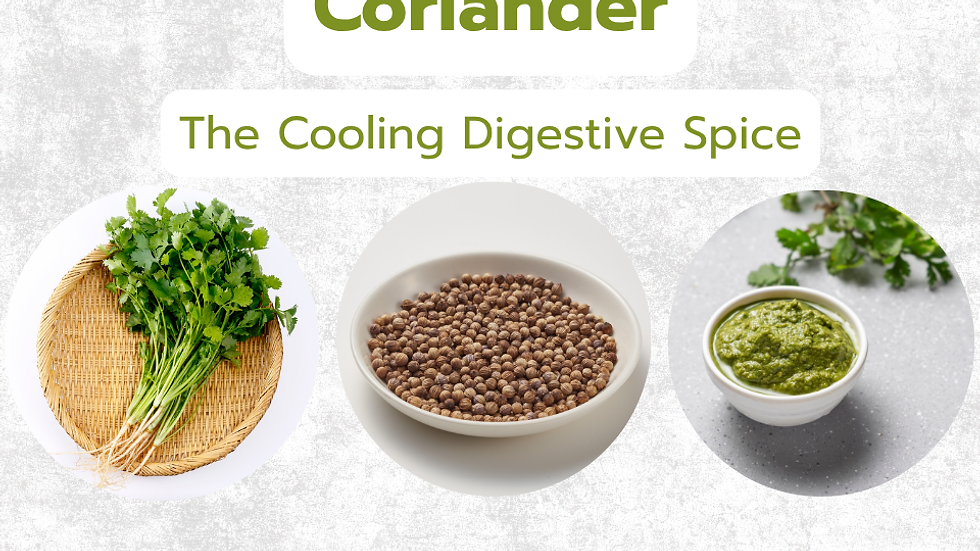
Practical Uses and Ways to Include Coriander in Your Diet:
Fresh chutneys.
Coriander seed water.
Garnishing meals.
Homemade spice blends.
8. Fennel Seeds (Saunf): The Gut-Friendly Mouth Freshener
Do you know why Fennel Seeds Are Traditionally Consumed After Meals in Many Indian Households and Restaurants?
Fennel seeds are often consumed after meals because they may help digestion, bloating, breath freshness, and digestive comfort. In traditional Indian eating patterns, small practices often had deeper digestive logic behind them.
What may seem like a simple mouth freshener actually has a deeper digestive purpose rooted in traditional food wisdom. Earlier generations often paid close attention not only to what was eaten but also how food was prepared, combined, and consumed. Practices such as chewing saunf after meals, drinking jeera water, or using hing in cooking were not random customs; they were practical digestive strategies developed over time. Including small amounts of fennel seeds regularly can be a simple way to reconnect with these supportive food traditions.

Easy Ways to Include Saunf in Your Daily Diet
You do not need complicated recipes to benefit from fennel seeds. Small, consistent usage often works best. Here are a few practical ways to include saunf in daily life:
Chew a small spoon of fennel seeds after meals as a natural digestive and mouth freshener.
Add fennel seeds while tempering vegetables, curries, or lentils for extra flavor and digestive support.
Prepare fennel tea by boiling fennel seeds in water and sipping it warm after meals.
Add lightly roasted saunf to homemade trail mixes or seed blends.
Use fennel powder in homemade spice mixes and masalas.
Soak fennel seeds overnight and drink the infused water occasionally during hot weather for a refreshing digestive drink.
Like many herbs and spices, fennel seeds are not meant to act as instant remedies. Their benefits are best experienced when they become part of consistent, balanced eating habits alongside homemade meals, hydration, movement, and a healthy lifestyle overall.
9. Fenugreek (Methi): The Metabolic Support Ingredient
Fenugreek, commonly known as methi, has been used in Indian households for generations as part of traditional wellness practices. Both fenugreek seeds and fresh methi leaves are valued for their potential role in supporting digestion, metabolism, balanced eating habits, and overall nourishment. Fenugreek has also traditionally been recommended for lactation support in postpartum nutrition because of its long-standing association with maternal wellness.
One reason fenugreek is considered beneficial is its natural fiber content, which may help promote satiety and digestive comfort. Including fiber-rich foods in meals can help people feel fuller for longer, support smoother digestion, and reduce frequent unhealthy snacking tendencies. In modern urban lifestyles, where highly processed foods and irregular eating habits are common, simple ingredients like methi can help bring more balance and nourishment back into everyday meals. Traditional Indian diets often included fenugreek in small but regular amounts through dals, vegetable preparations, spice blends, and homemade remedies. These consistent food habits supported long-term wellness more sustainably than extreme dieting approaches.
The bigger lesson here is that true health does not come from starvation diets, meal skipping, or temporary “quick-fix” plans. Sustainable wellness is usually built through nourishing homemade meals, realistic eating habits, regular movement, consistency, proper sleep, and routines that can be maintained long term. Small daily practices often create more lasting results than aggressive short-term restrictions.

Easy Ways to Include Fenugreek (Methi) in Your Daily Diet
Soak fenugreek seeds overnight and consume them in small amounts in the morning.
Add methi seeds while tempering dals, curries, and vegetable dishes.
Use fresh methi leaves in parathas, sabzis, theplas, or khichdi.
Add small amounts of roasted methi powder to homemade spice mixes.
Include methi in multigrain flour mixes for rotis.
Add sprouted fenugreek seeds to salads or bowls occasionally.
Use methi leaves in soups and lentil preparations for added flavor and nutrition.
Like most herbs and spices, fenugreek works best when included consistently as part of a balanced lifestyle rather than used occasionally as a “health remedy.”
10. Cardamom: The Aromatic Wellness Spice
Cardamom, commonly known as elaichi, is one of the most loved spices in Indian kitchens because of its rich aroma, refreshing flavor, and comforting warmth. Beyond simply enhancing taste, cardamom has traditionally been used to support digestion, freshen breath, and improve the overall eating experience. Whether added to tea, desserts, curries, or traditional drinks, even a small amount of cardamom can instantly make meals feel more satisfying and enjoyable.
In many traditional households, cardamom was often included after meals or in beverages because of its naturally refreshing qualities. It may help support digestive comfort, reduce unpleasant aftertaste, and create a sense of freshness after eating. Its pleasant aroma can also make homemade meals feel more comforting and indulgent without relying heavily on excess sugar, artificial flavoring, or processed ingredients.
One important lesson cardamom teaches us is that healthy eating does not have to feel boring or restrictive. Many people struggle to maintain healthy food habits because they associate nutrition with bland meals, repetitive diets, and constant restriction. This mindset often makes healthy eating unsustainable in the long run. Traditional Indian spices beautifully demonstrate that nutritious meals can still be flavorful, aromatic, comforting, and deeply satisfying. Improving health should not mean removing enjoyment from food; it should be about learning how to prepare nourishing meals in a more balanced and mindful way.

Easy Ways to Include Cardamom (Elaichi) in Your Daily Diet
Add crushed cardamom to tea, milk, or herbal drinks.
Use cardamom in homemade kheer, oats, porridges, or healthy desserts.
Add a pod or two while cooking rice dishes for aroma and flavor.
Include cardamom in smoothies or warm milk at night.
Use powdered cardamom in homemade spice blends and laddoos.
Add it to dry fruit mixes or festive recipes for natural sweetness and fragrance.
Chew a small pod occasionally after meals for freshness.
Like many traditional spices, cardamom works best when it becomes a regular part of balanced homemade eating habits rather than being used occasionally as a “health ingredient.” Small sensory pleasures in meals can also play an important role in helping people stay consistent with healthier lifestyles long term.
Why Sustainable Health Is Built in the Kitchen, Not Through Crash Diets
Almost everyone knows someone who started a “serious diet” on a Monday with complete determination, cutting out rice, avoiding desserts forever, surviving on salads, meal replacement shakes, or barely eating enough throughout the day. For a few weeks, the results may even seem exciting. The number on the weighing scale drops, clothes fit slightly differently, and motivation feels high. But slowly, real life returns. Cravings increase, energy drops, social eating becomes stressful, and the diet starts feeling impossible to maintain. Eventually, old habits return, weight comes back, and frustration grows even stronger than before.
This cycle happens because many people unknowingly treat health like a short-term project instead of a lifelong relationship with their body. True wellness is rarely built through extreme restriction or temporary discipline. It is built quietly in everyday kitchens through realistic habits that can be sustained. A nourishing homemade breakfast, balanced meals prepared with traditional spices, regular eating timings, proper hydration, movement, restful sleep, and mindful routines often create more lasting results than aggressive “30-day transformations.” Sustainable nutrition works differently because it fits into real life. It respects culture, food preferences, family routines, work schedules, and emotional well-being. Instead of removing favorite foods completely, it focuses on balance, portion awareness, digestion, consistency, and healthier patterns that feel practical long term.
This is why experienced dietitians rarely focus only on calorie counting. They pay attention to the bigger picture, improving digestion, building balanced meals, correcting nutrient gaps, managing stress eating, improving sleep quality, and helping people create routines they can realistically continue for years, not just weeks. The goal is not to punish the body temporarily for quick results. The goal is to build a healthier lifestyle that feels natural, satisfying, and sustainable enough to support lifelong health.
Signs Your Body May Need Better Nutritional Support
Many people normalize symptoms that may indicate poor nutritional balance. Common signs include frequent bloating, low energy, sugar cravings, poor digestion, irregular appetite, hair fall, poor sleep, constant fatigue, low immunity, mood fluctuations, and stubborn weight changes.
Sometimes the solution is not another extreme diet. Sometimes it is rebuilding foundational eating habits properly.
Let’s embrace the power of our kitchens and the wisdom of our traditions to create a healthier future!


Comments